Powell River Top General Contractor for Residential Projects
Powell River Top General Contractor for Residential Projects
Blog Article
General Contractor: Your Best Professional for Residential Undertakings
A general contractor holds an indispensable position in building projects. They handle numerous facets of construction, ensuring that everything functions smoothly. Their command of construction regulations and standards permits them to address the complexities of authorizations and inspections. This expert serves as an critical bridge between homeowners and subcontractors. However, many homeowners feel confused about the breadth of their services. Grasping these details can have great importance for the success of any home renovation endeavor.
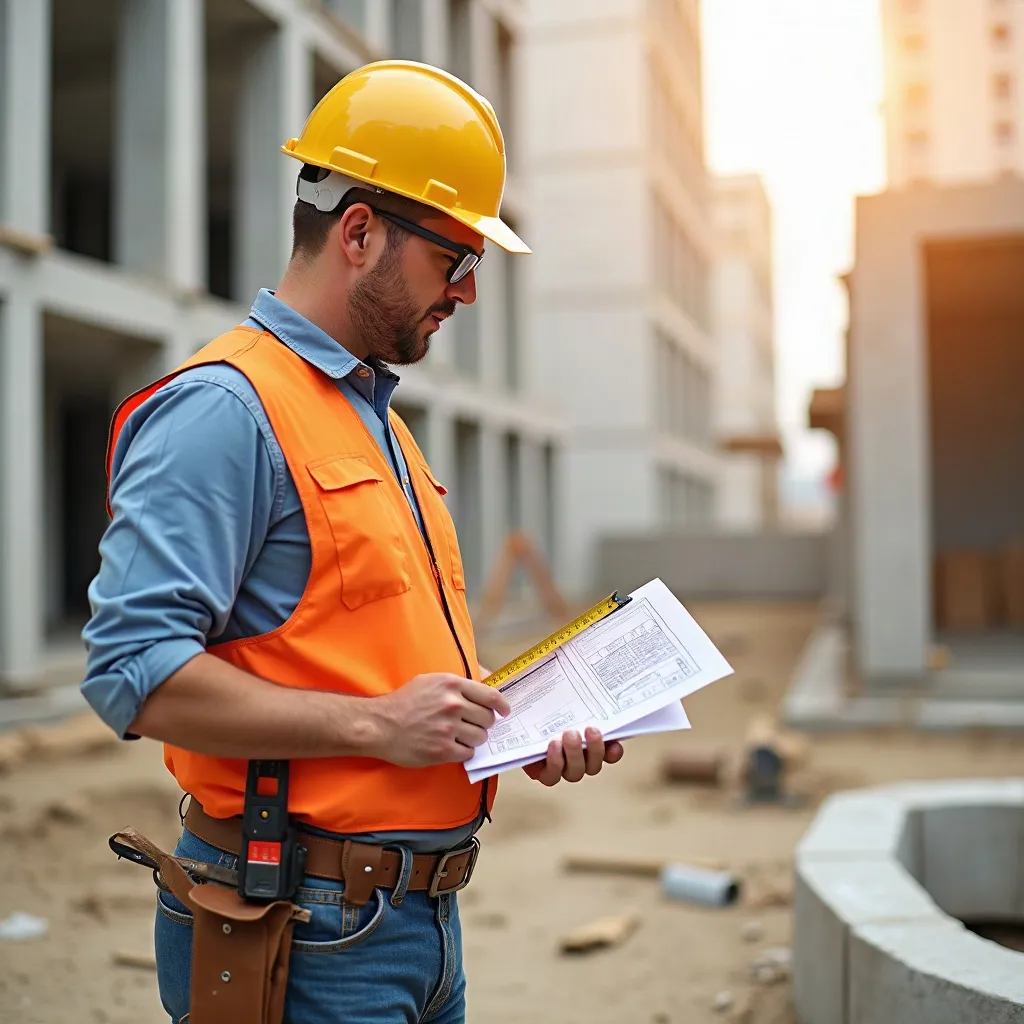
What Does a General Contractor Handle?
A general contractor orchestrates the various elements of a building endeavor, guaranteeing that all aspects proceed seamlessly from start to finish. They function as the primary point of contact, managing correspondence between customers, subcontractors, and vendors. This position involves planning the construction schedule, coordinating labor, and maintaining adherence with regional construction standards and requirements.
General contractors are responsible for obtaining necessary permits and scheduling inspections, which are vital for upholding safety and quality benchmarks. They also handle budgeting, sourcing materials, and managing on-site activities to prevent any possible setbacks or complications. In addition, they oversee subcontractors, ensuring that each phase of construction conforms to project specifications and timelines. Overall, a general contractor's expertise and organizational skills are essential to delivering a successful construction project, transforming a client's vision into reality while managing multiple duties and obligations.
Benefits of Employing a General Contractor for Home Renovations
Contracting a general contractor for home renovations delivers countless benefits that can substantially enhance the quality and efficiency of the project. Professional contractors bring specialized knowledge in managing projects, ensuring that timelines are met and resources are allocated efficiently. Their established connections with subcontractors can lead to superior pricing and excellent craftsmanship, which finally helps property owners regarding both time and money.
Additionally, construction professionals coordinate the intricate details of permits and inspections, curbing likely regulatory complications. They also provide a single point of contact, simplifying exchanges and synchronization among various trades. This streamlining reduces the risk of misunderstandings and delays.
In addition, their experience enables them to foresee potential challenges, allowing proactive solutions to maintain the project on track. By contracting a general contractor, homeowners can focus on their vision while savoring peace of mind, confident that a professional is overseeing every aspect of the renovation.
Refuting False Notions About General Contractors
Many property owners may hold misconceptions about contracting professionals, but understanding the realities can lead to more informed decisions. A common myth is that hiring a general contractor is not needed for minor projects; yet, their ability can make easier even minor renovations, ensuring alignment with local codes. Another frequent belief is that contractors are simply middlemen, but they usually possess extensive knowledge in different specialties, allowing them to supervise projects efficiently. Furthermore, some clients think that collaborating with a contractor will considerably inflate costs. In truth, a skilled general contractor can often attain better discounts for materials and labor due to firm relationships with suppliers and subcontractors. Lastly, many believe that general contractors are unadaptable, but esteemed contractors emphasize client communication and work closely to fulfill tailored needs. Debunked myths can empower clients to make the most of the true value of general contractors in completing effective home projects.
Identifying the Most Suitable General Contractor?
How can homeowners guarantee they choose the ideal construction professional for their projects? The procedure begins with comprehensive investigation. Property owners should obtain suggestions from friends, family, or online reviews to locate potential candidates. Once a list is assembled, verifying credentials, such as licensing, insurance, and bonding, is essential to verify credibility.
Next, property owners should request and review collections of past projects, focusing on assignments of comparable size. Scheduling meetings allows homeowners to assess fit, discussing timelines, budgets, and expectations. It's also recommended to obtain multiple quotes for comparison, offering a better grasp of costs.
Reviewing references offers understanding of a contractor's reliability and professionalism. Ultimately, relevant resource relying on your gut feeling is important; an initial meeting can uncover a contractor's communication style and approach. By implementing these procedures, homeowners can substantially improve their likelihood of picking a general contractor who matches their project needs and vision.
Effective Dialogue Approaches With Your General Contractor
How can homeowners leverage methods to maintain productive dialogue with their general contractor? Setting direct engagement from the outset is essential. Homeowners must clearly express their expectations, project targets, and financial limits during opening conversations. Consistent information can be promoted through arranged gatherings, ensuring that both parties stay aligned throughout the project.
Using documented records, such as email correspondence and project documentation, serves to reinforce spoken commitments and reduces misunderstandings. Homeowners should also encourage open dialogue by inviting feedback and questions from the contractor, creating a collaborative environment.
Furthermore, capitalizing on tech solutions, such as project management apps, can facilitate communication by establishing a single location for conveying updates, timelines, and changes. Finally, maintaining respect and approachability can strengthen rapport, allowing for it to be easier for the contractor to discuss challenges or suggestions with success. By putting into practice these techniques, homeowners can nurture a fruitful and honest relationship with their general contractor.
What Lies Ahead When Your Project Gets Started?
Once the initiative kicks off, homeowners can expect a flurry of activity on-site. The prime contractor will coordinate crews of qualified professionals, including electricians, plumbers, and carpenters, who will commence their duties per the established timeline. Homeowners may see heavy machinery and materials being delivered, creating a energetic environment.
Staying in communication is essential during this period. The contractor will deliver information on how things are progressing and address any concerns that surface. Homeowners should ready themselves for potential disruptions, such as noise and restricted passage to particular areas of the home.
Safety precautions will be in place to shield both workers and residents, providing a secure environment. Additionally, homeowners may be encouraged to keep flexibility, as unanticipated challenges can arise, demanding adjustments to the original plan. Overall, this initial phase establishes the foundation for the successful completion of the project, and active involvement is essential.
Vital Topics for Your General Contractor Arrangement?
Selecting the right inquiries to ask when concluding a general contractor agreement is critical for confirming a problem-free project. Homeowners should ask about the contractor's license and protection to establish their qualifications and protection against liabilities. Understanding the project duration and targets is significant; therefore, asking about estimated completion dates helps manage expectations.
It is also vital to define financial conditions, encompassing deposit amounts and installment plans, to avert miscommunications. Residents should obtain a detailed breakdown of costs, embracing materials and services, to guarantee openness. Moreover, deliberating the method for managing adjustments or unforeseen issues can circumvent conflicts afterwards.
Finally, property owners should gather details about subcontractors and their credentials, as well as the contractor's communication strategy throughout the project. By examining these matters, property owners can build a productive relationship with their main contractor, ultimately producing a successful home project.
Frequently Requested Questions
In What Fashion Do General Contractors Charge for Their Services?
Contractors commonly assess fees by way of flat fees, time-based pricing, or a percentage of the total project cost. Their costs may also contain materials, work performed, and overhead, based on the intricacy and breadth of the project.
Can a General Contractor Provide Assistance With Requirements and Inspections?
Yes, a general contractor can aid in obtaining permits and managing inspections. They typically work through local codes and maintain compliance, streamlining the process for homeowners while providing necessary approvals throughout the construction project.
What Qualities Should I Hunt for in a General Contractor?
When hiring a construction firm, one should assess qualifications such as valid licensing, comprehensive insurance, experience in relevant projects, strong references, and strong interpersonal abilities, ensuring they possess the essential qualifications to manage the project with success.
How Long Does a Common Home Renovation Project Take?
A conventional home renovation project can consume anywhere from a few weeks to several months, according to the range, complexity, and size of the project, as well as the availability of materials and labor.
What Occurs if My Initiative Exceeds Cost Allowance?
Should a project go over budget, the builder usually communicates the reasons and options with the property owner. Modifications may include scaling back, pursuing more funds, or adjusting the project parameters to align with financial limits.
Report this page